















K-pop Idol Debut
Debut as a K-pop idol
Your stage name, your position, your fandom, your signature color — the whole idol identity. Free, instant, and made to share.
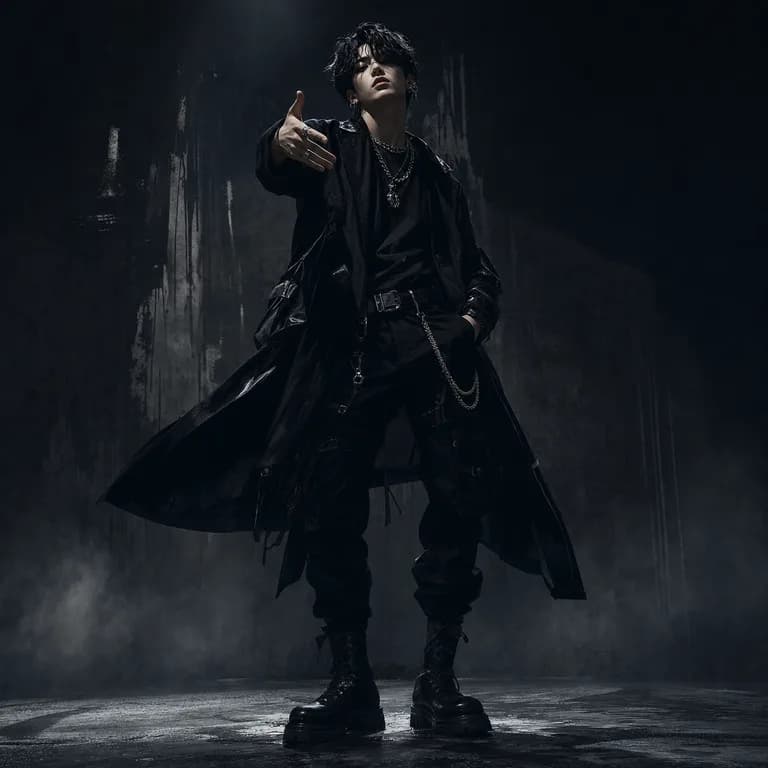
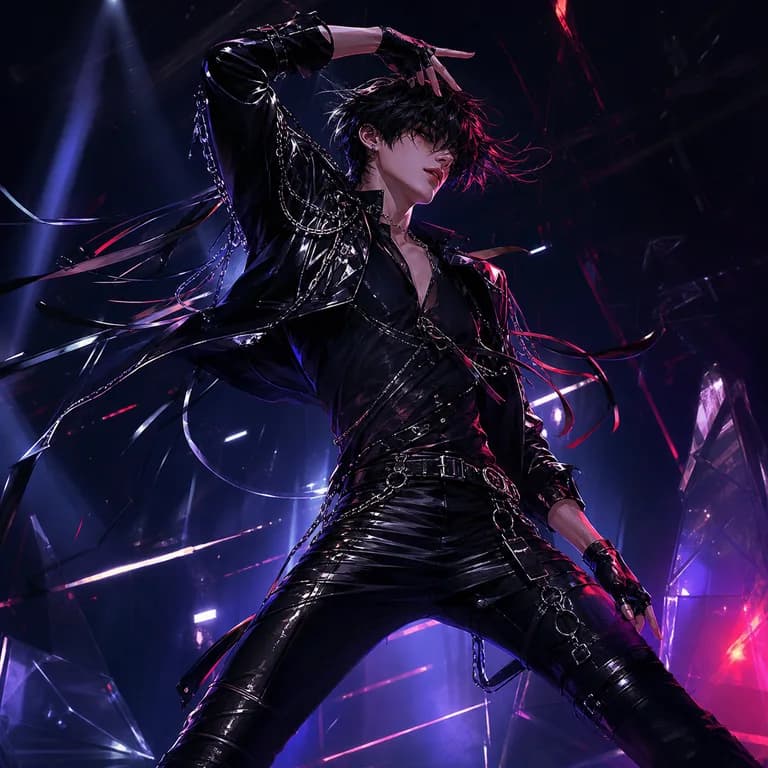
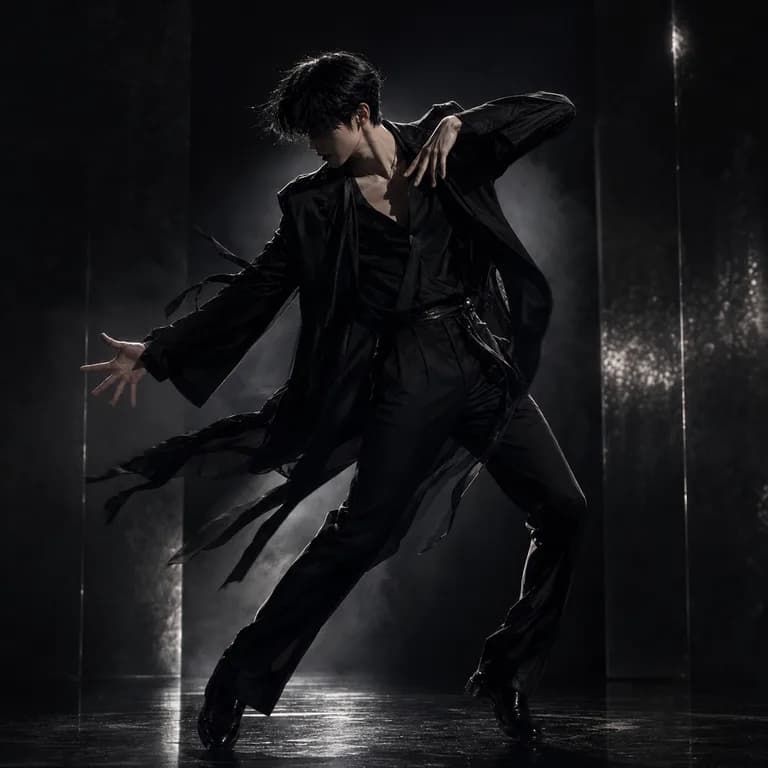
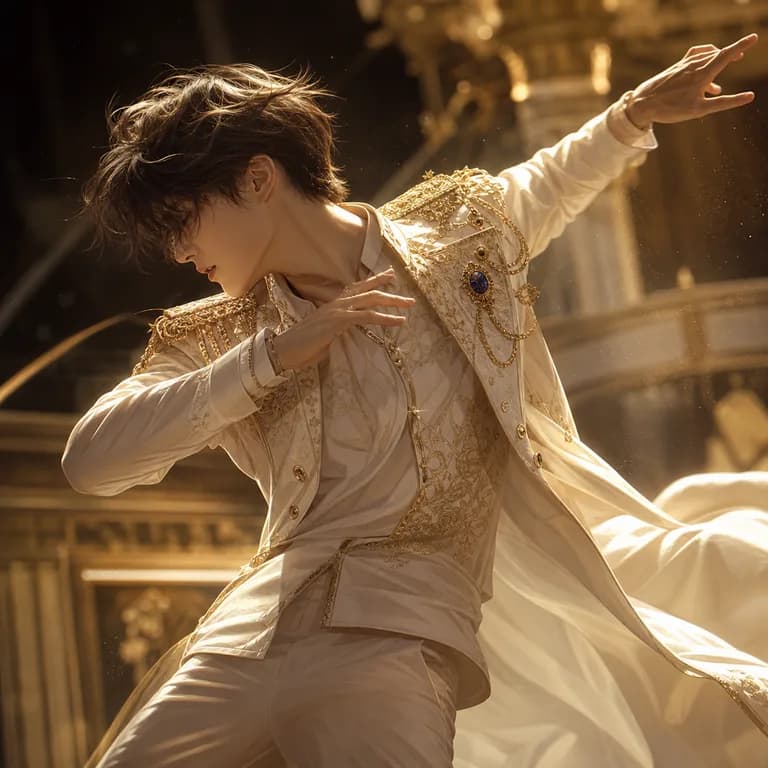
72 idol looks · 6 concepts × 6 positions
K-pop (Korean popular music) runs on a highly structured idol system built around dedicated training, group identity, and fandom culture. Before debuting, trainees (연습생) spend months or years perfecting singing, dancing, and Korean. Each group member is assigned a position — Main Vocalist, Main Dancer, Rapper, Visual, or Center — that reflects their primary role in performances and media. Your stage name (예명) is your public identity: catchy, meaningful in Korean, and designed to stick.
Every era of K-pop has its own aesthetic signature: the raw energy of 2nd-generation groups like SHINee and 2NE1, the polished global production of BTS and BLACKPINK, and the hyper-conceptual world- building of 4th-generation acts like aespa and NewJeans. Your debut era shapes your group's concept, visual style, and the Korean vocabulary of your fandom — 팬덤 culture has its own rich language of chants, light stick colors, and fan-site etiquette.
Want to learn Korean through K-pop and K-dramas? Read our guide to learning Korean with K-dramas. Curious about the slang and playful expressions idols use? Explore Korean slang and aegyo.
Frequently asked questions
What is a K-pop idol stage name?
A K-pop idol stage name (예명, ye-myeong) is the performance name an idol uses publicly — often different from their legal name. Stage names are chosen for catchiness, memorability, and meaning in Korean. They're written in Hangul and sometimes romanized. For example, BLACKPINK's Jennie's full Korean name is 김제니 (Kim Je-ni), but she debuted simply as Jennie.
What are the positions in a K-pop group?
K-pop groups assign each member a role: Main Vocalist (메인 보컬) leads the high-note singing, Main Dancer (메인 댄서) anchors the choreography, Main Rapper (메인 래퍼) delivers the rap lines, Visual (비주얼) is the face of the group chosen for looks, and the Center (센터) is the focal point of performances. Most idols hold more than one position.
How do K-pop idols learn Korean music vocabulary?
K-pop training teaches specific Korean vocabulary for music, performance, and group dynamics — words like 연습생 (trainee), 데뷔 (debut), 팬덤 (fandom), 콘셉트 (concept), and 활동 (promotions period). Many international fans and learners use K-pop as a gateway into Korean because the idol world provides real, engaging context for vocabulary and phrases.